If These Walls Could Sing
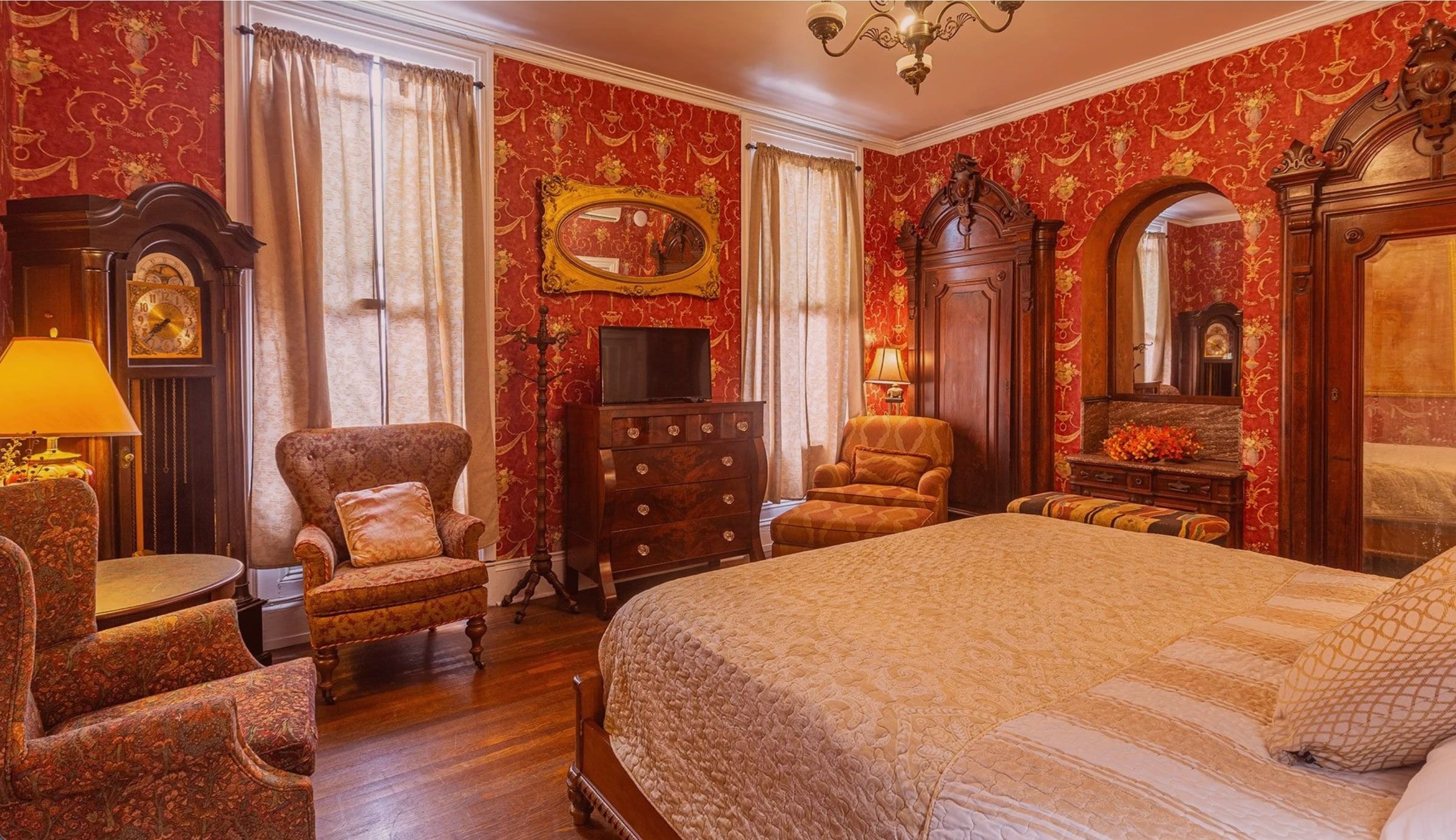
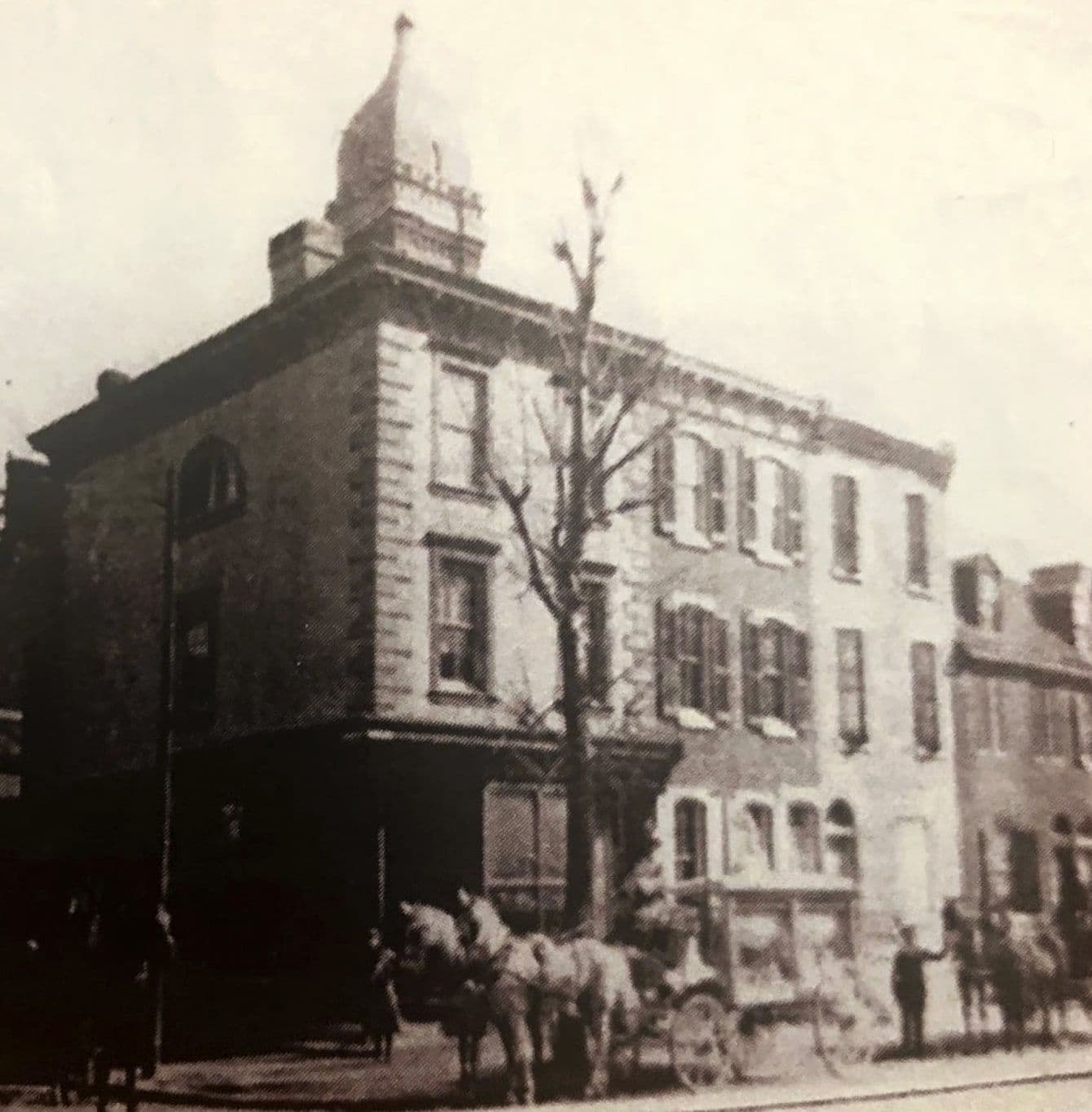
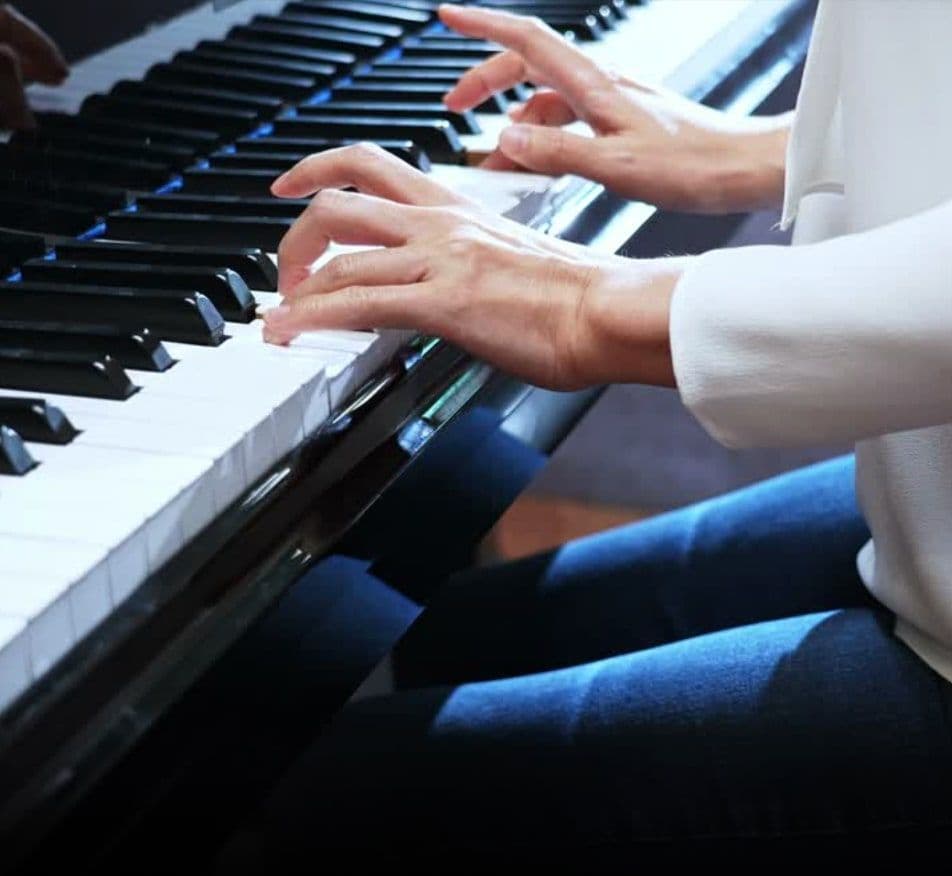
Built in 1860, this grand Victorian mansion was meant to impress. The home of a wealthy rye whiskey maker, it was a showpiece of architecture, decor and fine art in its day. It was also in walking distance of the distillery and the docks. After many owners and many chapter, it became a bed and breakfast with an acclaimed art collection in the 2000s. Today’s owners have updated the property with elegant bathrooms, sound-controlled practice space for musicians and fine furnishings. It’s ready for its next debut.

From the moment I walked inside, this home has spoken to my heart.

Mr McHenry Would Approve
Formerly the private office of Issac , the building has been re-concepted for quiet and serenity. Our welcome lounge features a crackling fire in our six-foot stone fireplace amid calming wood and natural decor.
Amenities For All
Mini gym with eliptical machines and xxxxx
Shower with xxx and xxxxx
Hot tub with lake views
The Philadelphia Whiskey Boom
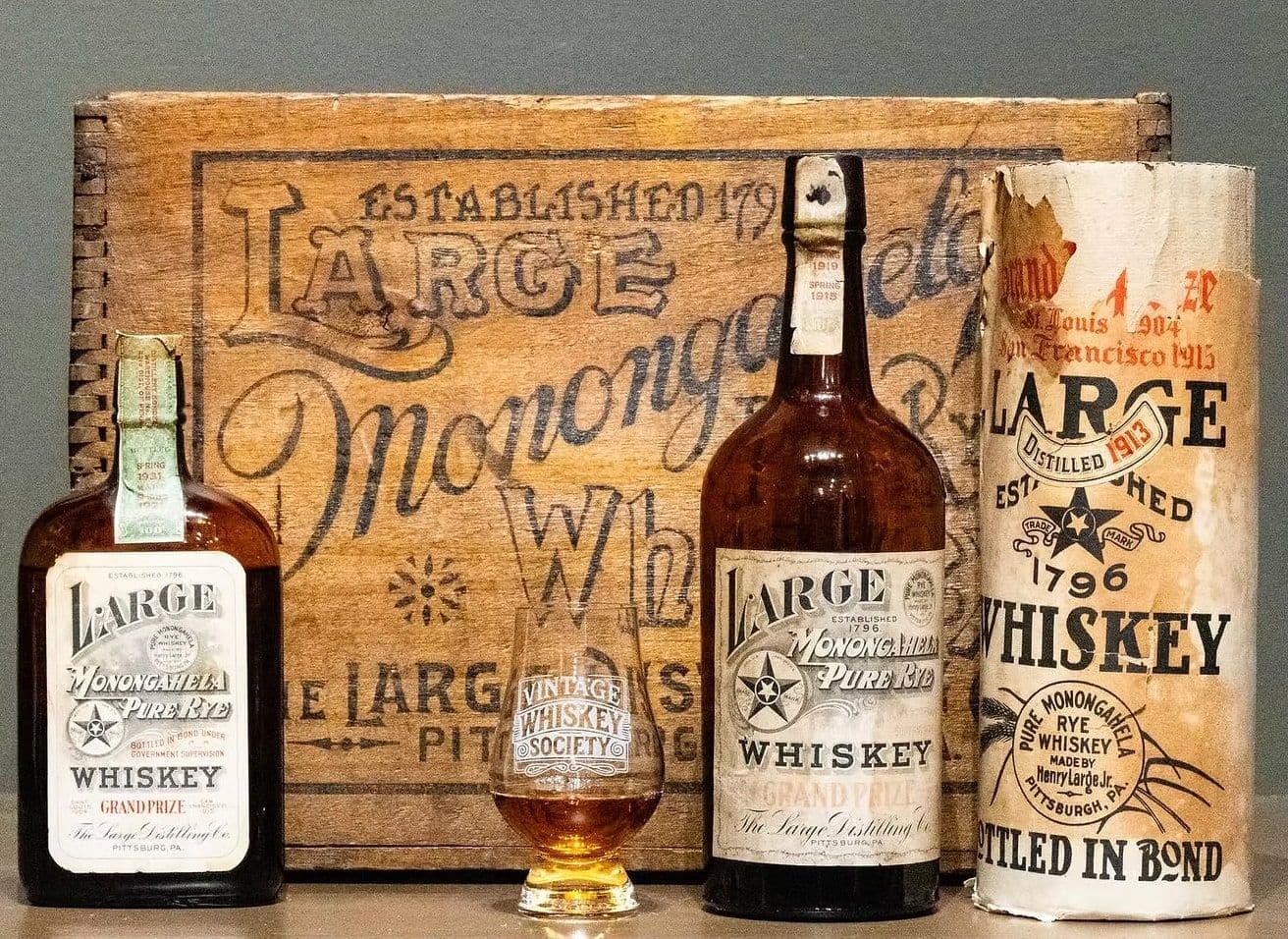
During the mid-to-late 1800s, Philadelphia was one of the largest and most influential rye whiskey production hubs in the world. The grand townhouse was built to reflect the vast wealth generated by this booming spirit industry.
To understand the estate's origins, it helps to look at the massive industry that funded its construction:
The Epicenter of Rye
In the 1860s, Pennsylvania—and Philadelphia in particular—was famous for producing Monongahela Rye. This was a distinct, spicy style of whiskey that dominated American bars before bourbon gained massive traction.
Distillery Fortunes
Prominent local families like the Mulherins (of William Mulherin's Sons) and other major merchants along the Delaware River waterfront accumulated massive fortunes. They built lavish estates just outside the industrial sectors to showcase their success.
Architectural Statements
Wealthy merchants used their homes as a status symbol. 758 S. 10th Street was built on a grand scale (over 4,500 square feet) featuring massive brick walls, grand common spaces, ornate gilded mirrors, and intricate woodwork to entertain the city's high society.